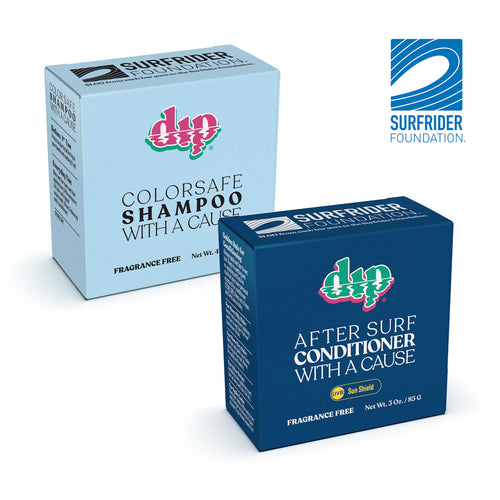
There’s a big difference between something that cleans your hair and something that actually understands it. A shampoo bar for dry hair isn’t just a bottled formula in a new shape, it’s a different approach entirely. Instead of relying on harsh detergents or masking damage with silicones, these bars start with scalp health, moisture retention, and friction-free function. Here’s how they’re changing the game for dry hair:
Formulated Without Stripping Ingredients
Unlike typical shampoos that leave hair begging for conditioner, shampoo bars for dry hair skip the harsh ingredients from the start. Sulfates and heavy surfactants might offer instant lather, but they’re often responsible for moisture loss. That’s why shampoo bars designed for dry hair use gentler cleansers that preserve natural oils and protect the scalp barrier.
Better Moisture Retention For Thirsty Hair
Dry hair doesn’t bounce back from dehydration the way oilier types can. These bars are packed with plant-based moisturizers that activate as you lather, soaking into strands instead of stripping them. A shampoo bar for dry hair can also help reduce reliance on leave-ins and hair masks over time, because it works at the root (literally) to rebalance what your scalp and ends actually need.
No Lather Friction Means Less Damage
Dry hair is often fragile hair, and that means the way you wash it matters. The best shampoo bars lather easily without requiring pressure or back-and-forth scrubbing. Less friction means fewer snapped strands, fewer frizz flyaways, and more definition for natural curls. These small tweaks during your wash routine can make a huge difference over time, especially if your hair has texture, length, or both.
Why Choose A Shampoo Bar For Dry Frizzy Hair?
Frizz doesn’t just show up, it’s often a sign your hair isn’t getting what it needs. If you’ve ever felt like your hair was puffy before it was even fully dry, the root cause might be dehydration, harsh cleansing, or product buildup. A shampoo bar for dry frizzy hair addresses all three in one step: cleanse gently, lock in moisture, and give your texture a chance to shine. Here’s what makes these bars a smarter choice for frizz-prone strands:
Frizz Often Starts With Overwashing
Hair that feels frizzy is often just hair that’s been overcorrected. Washing too often or with products that strip oils can send your strands into defense mode. A shampoo bar for dry frizzy hair helps rebalance your routine by using ingredients that cleanse without creating a moisture deficit. With less overprocessing, your hair has a chance to settle into its natural pattern instead of fighting humidity all day.
Bars With Better pH Balance Support The Cuticle
The cuticle layer, that outermost shell of your hair, is your first defense against frizz. If it’s raised, your hair looks and feels rough. Shampoo bars designed for dry, frizzy hair tend to be more pH balanced than traditional liquids, helping smooth the cuticle and seal in hydration. This keeps hair from absorbing excess moisture from the environment and puffing up.
Fewer Bottles, Fewer Surprises
Frizz isn’t just a hair issue, it’s also a lifestyle frustration. When your shower is stocked with mismatched bottles and half-used creams, it’s easy to keep experimenting and never land on what works. A shampoo bar for dry frizzy hair consolidates your routine and reduces your product guesswork. The added bonus? Less plastic waste, less clutter, and less of that “why is this sticky?” moment on your bathroom shelf.
How To Use A Shampoo Bar For Dry Curly Hair
Dry curls need a different kind of care, not just in what you use but in how you use it. Traditional wash routines often involve too much friction, too many steps, or too many bottles promising softness without follow-through. Using a shampoo bar for dry curly hair simplifies that process without sacrificing results. Here's how to get the most out of every lather:
Skip The Friction And Let The Bar Do The Work
Start by thoroughly wetting your hair. Then, instead of rubbing the bar directly on your strands, glide it between your hands to build a creamy lather. This method minimizes breakage and keeps your curl pattern intact. The best shampoo bars activate instantly without aggressive rubbing, making them ideal for fragile or highly textured curls.
Apply Once, Rinse Twice If Needed
Once you’ve built a lather, apply it gently to your scalp with your fingertips. Focus on massaging your roots rather than your ends, your rinse will carry the lather through. If you’re coming off a few days of buildup or workouts, a second gentle cleanse may help without over-drying. The goal is clean, not stripped.
Follow With A Conditioner Bar For Detangling
After rinsing, reach for a conditioner bar to seal in hydration and help with detangling. These bars are especially helpful on coily or thick hair types where knots and mats can form fast. Choosing one of Dip’s conditioner bars means you’re getting a salon-level slip with zero bottles, which makes aftercare smoother for you, and your curls.
The Best Shampoo Bar For Dry Hair Is Plastic Free, Not Performance Free
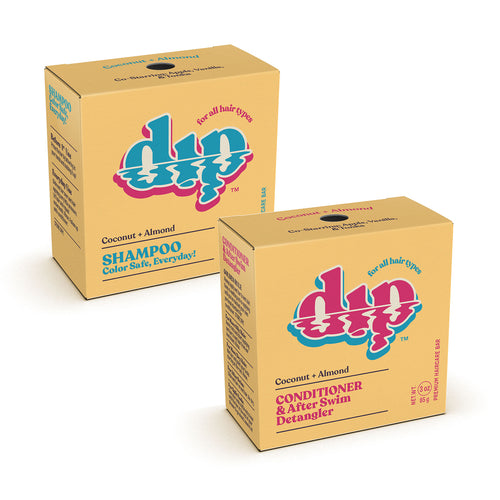
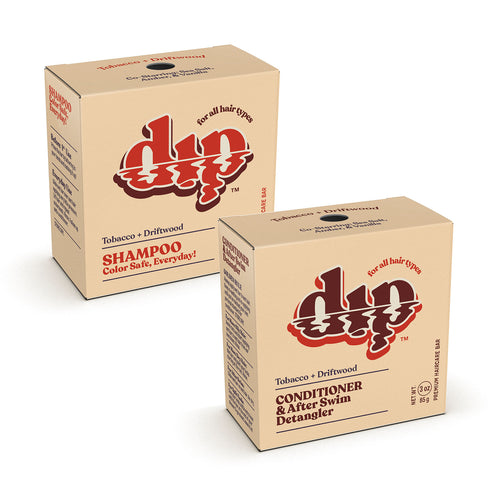
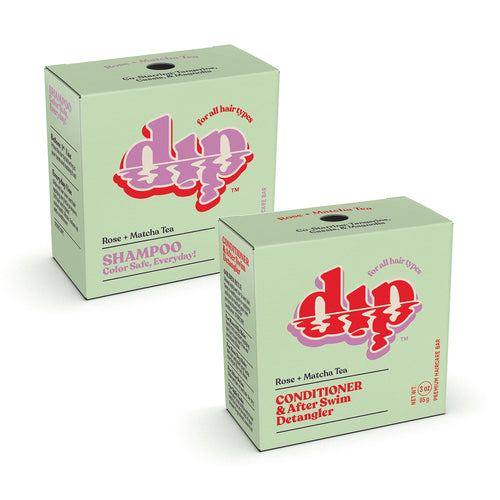
There’s a persistent myth that sustainable hair care means “good for the planet, but not so great for your hair.” But the best shampoo bar for dry hair isn’t just a plastic-free option. It’s a performance-first solution that happens to leave a smaller footprint. Dip’s bars are salon-backed, scientifically formulated, and made to work for every hair type, dry textures included.
Instead of filler ingredients or overpowering fragrances, you’ll find formulations designed around function. The bars are pH balanced, keratin safe, and built to nourish without buildup. That’s part of what sets Dip’s shampoo bars for dry hair apart, they perform on par with top-shelf liquid shampoos while eliminating the waste. For dry hair especially, the consistency of a bar can mean longer-lasting hydration, less need for product layering, and fewer surprises on wash day.
Dry hair deserves more than a product that just feels good on paper. That’s why Dip’s shampoo bars for dry hair have become go-tos for athletes, stylists, and everyday users alike. They’ve even earned nods from beauty editors for how well they work across curl patterns and climates.
Where To Find The Best Bar Shampoo For Dry Hair
Once you know what works, the next step is finding where to get it. The best bar shampoo for dry hair isn’t usually hiding on a bottom shelf at your local drugstore. It’s built in small batches, backed by real people, and made with the kind of transparency you wish more brands offered. If you’re ready to upgrade your wash day routine, here’s where to start:
Shoppable And Small-Batch Beats Big Box
When you buy from smaller, mission-based brands, you’re more likely to find shampoo bars that prioritize both your hair and the planet. These brands often formulate with ingredient integrity and avoid fillers that dry hair doesn’t tolerate. Look for options that tell you exactly what’s in the bar and why it’s there, that’s the difference between a bar that just cleans and one that actually cares.
The Award-Winning Option For Curls
Dip’s shampoo bar lineup isn’t just good, it’s earned accolades for how well it performs on textured hair. In fact, their bar was recently featured in an Oprah-curated guide for curl care, highlighting its ability to cleanse, hydrate, and define without added heaviness. If you’re navigating dry curls, that kind of recognition makes a difference. It’s why so many consider this the best shampoo bar for dry curly hair and recommend it year-round.
Don’t Sleep On Fragrance Free
Scent is a personal choice, but dry or sensitive scalps often prefer less. That’s why Dip offers a fragrance-free version that performs just as well as the others, no compromises, just clean. It’s a great entry point if you’re new to bars or simplifying your routine. For those ready to commit, the best bar shampoo for dry hair is one that works across hair types, cuts plastic, and earns its spot in your shower long term.
Sources:
- Du, Z., Wang, Z., & Li, X. (2022). Hair Lipid Structure: Effect of Surfactants. Cosmetics, 10(4), 107. https://doi.org/10.3390/cosmetics10040107
- Thompson, C. J., Ainger, N. A., Starck, P., & Mykhayлик, O. (2023). A review of shampoo surfactant technology: consumer benefits, raw materials, and formulation design. International Journal of Cosmetic Science, 45(3), 227–243. https://doi.org/10.1111/ics.12439
- Ruggeri, G., & Rossi, R. (2020). Physicochemical aspects of the performance of hair‑conditioning products. Cosmetics, 7(2), 26. https://doi.org/10.3390/cosmetics7020026