If you've invested in hair extensions, clip-ins, tape-ins, sew-ins, or halos, you’re not just managing your own strands anymore. You're caring for hair that doesn’t produce oils, can’t repair itself, and definitely doesn't appreciate being hit with harsh surfactants.
Sulfates, especially sodium lauryl sulfate (SLS), are powerful detergents used in everything from dish soap to degreasers. They foam up nicely, but they also strip everything: natural oils, color, moisture, and bond adhesives. This is a fast track to dry, dull, tangled extensions that shed more than a golden retriever in July.
Choosing a sulfate free shampoo protects not just your real hair but your extensions' lifespan too. A truly effective shampoo offers a gentle cleanse that doesn't disturb tape, bonds, or natural oils. If your current wash leaves your hair squeaky clean, and your tape-ins squeaking out, that’s a red flag.
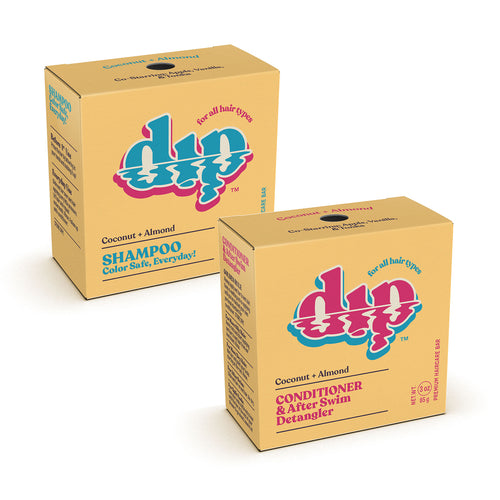
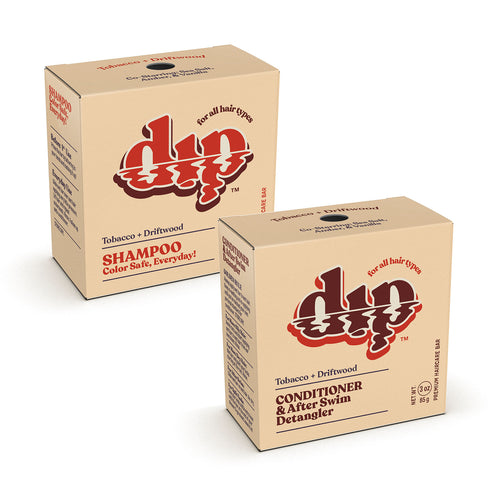
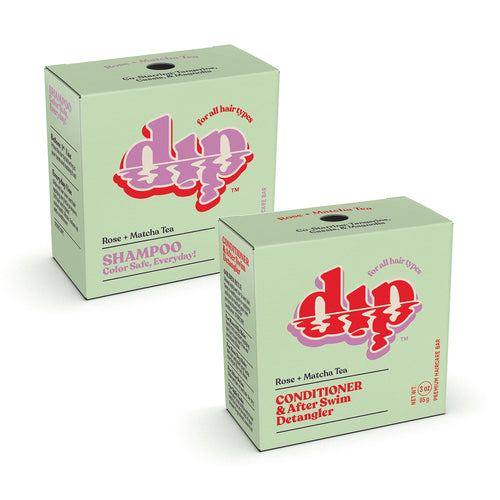
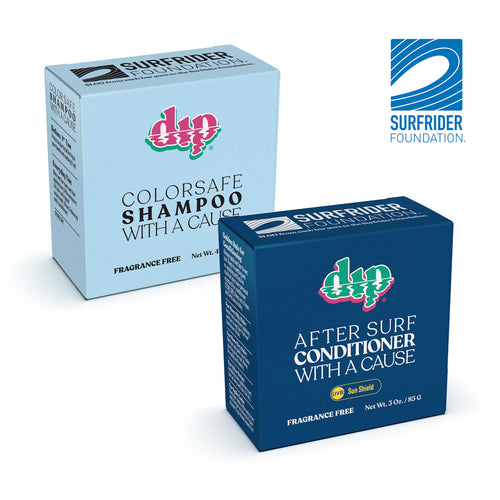
Better yet, try a shampoo without sulfate that's also silicone-free, pH-balanced, and made for real humans who wash their hair more than twice a month. It’s not just about what’s left out, though. And, if you're looking for a full system, the duo bundle does the trick. It's especially helpful for anyone managing both natural hair and extensions in the same routine, whether you're rinsing out saltwater post-surf or unchlorinating after swim practice.
How Sulfates Actually Mess With Your Extensions
Imagine inviting someone into your home and then power-washing them every day. That’s kind of what using sulfates on extensions is like. These harsh surfactants might create satisfying lather, but they’re chemically designed to lift oils and dirt, and they do it aggressively.
For natural hair, your scalp can replenish some of what’s lost. Extensions don’t have that luxury. Once sulfates strip them of moisture, they’re left exposed, fragile, and more prone to breakage, frizz, and matting. And if your extensions are dyed or chemically treated, sulfates speed up fading and damage like it’s their full-time job.
The bond adhesives used in tape-in and sew-in extensions also hate sulfates. Over time, regular exposure can weaken the glue or thread, causing your extensions to slip or detach, which is probably not the drama you were going for when you booked that install.
This is where a sulfate free shampoo and conditioner step in as hair-saving heroes. They cleanse without over-stripping, hydrate without coating, and maintain the delicate balance that extensions need. You don’t need the industrial-strength cleanse; you need a shampoo without sulfate that works with your hair, not against it.
The Truth About “Sulfate Free”: Not All Are Created Equal
Just because a shampoo says “sulfate-free” doesn’t mean it’s gentle, clean, or safe for your extensions. The truth is, there’s a lot of greenwashing out there, and many so-called clean formulas still contain ingredients that damage bonds, dry out strands, or leave behind buildup. Here's what really matters when you're shopping smart:
Some Sulfate Alternatives Are Just As Harsh
Many brands drop sulfates like SLS or SLES but replace them with other aggressive cleansing agents like olefin sulfonate or sodium C14-16. These can still strip your extensions of moisture and damage the adhesive bonds over time. Just because a product skips the word “sulfate” doesn’t mean it’s gentle.
Hidden Ingredients Can Ruin Your Extensions
Silicones, artificial fragrances, and waxy fillers may add short-term shine but long-term chaos. These ingredients coat the hair shaft, attract dirt, and create buildup that dulls both your natural hair and your extensions. That’s why Dip skips all of it. Your sulphate free shampoo should nourish, not suffocate.
Look For Ingredients That Work With Hair, Not Against It
What you want is a shampoo without sulfate that’s also free of parabens, silicones, and synthetic dyes. Dip bars are pH-balanced, safe for color and keratin treatments, and designed to cleanse without friction. They work with your hair’s needs, not against them, especially when used with our conditioner.
Sustainability Doesn’t Have To Mean Sacrifice
Let’s not forget: most “sulfate-free” shampoos still come in plastic bottles. Dip’s sulfate and paraben free shampoo and conditioner bundles are zero-plastic, TSA-friendly, and last for months, which means fewer repurchases, less clutter, and a whole lot less guilt.
What To Look For In The Best Sulfate Free Shampoo For Extensions
Not all sulfate free shampoos are created with extensions in mind. To keep your added hair soft, secure, and stress-free, the formula you choose needs to go beyond the basic “gentle” label. Here’s what makes a shampoo truly extension-safe and genuinely high-performing:
Bond-Safe Formulation
Extensions rely on glue, tape, or stitching, all of which can break down under harsh conditions. The best sulfate free shampoo for extensions avoids anything that could loosen bonds, including sulfates, alcohols, or heavy surfactants. Dip’s bars cleanse without friction or foam overload, which helps protect the integrity of your install.
Moisture Without The Grease
Extensions can’t produce oil, so they rely on your products to deliver hydration. But too much heavy conditioning or silicone-based ingredients can cause buildup and slippage. That’s why pairing your shampoo with a sulfate free conditioner is essential, especially one like Dip’s, which detangles on contact and leaves nothing behind but softness.
Lather That Doesn’t Rely On Pressure
Most shampoo bars require scrubbing to activate. That’s bad news for delicate extension bonds. Dip’s bar was designed to lather easily with minimal rubbing, just swipe and go. If you’ve ever been afraid to shampoo near your tapes, this shampoo was made for you.
Clean Ingredients, Full Transparency
The best sulfate free options also go further: no parabens, no silicones, no dyes, no nonsense. Every Dip bar is cruelty-free, plant-based, color safe, keratin safe, and USA-made. If you want a clean, eco-conscious routine, the sulfate and paraben free shampoo and conditioner bundle checks all the boxes without the plastic waste.
Why Dip’s Sulfate Free Shampoo And Conditioner Bars Work Like Magic For Extensions
You don’t need to choose between sustainability and salon-quality hair care, not when your shampoo bar was designed with performance and planet in mind. Dip’s bars are different by design, and it shows in how they treat extensions. Here’s what sets them apart:
Friction-Free Lather That’s Extension-Safe
Most shampoo bars make you rub like you’re scrubbing a dish. That’s not ideal when you’re washing around fragile tape tabs or sewn-in wefts. Dip’s best sulfate-free shampoo for extensions lathers instantly with just a swipe, no tugging or pressure required. It’s gentle enough for daily use and strong enough to handle scalp sweat, chlorine, or beach-day residue.
Detangling Without Damage
Pairing it with Dip’s sulfate free conditioner is like giving your hair (and your extensions) a hug. It melts through knots, helps prevent shedding, and won’t leave residue that dulls or weighs down added hair. It also happens to double as an after-swim detangler, ideal for those midweek rinses after a pool session or surf.
Long-Lasting, Less Plastic, More Performance
Each shampoo bar replaces up to three bottles of liquid shampoo, and the conditioner bar replaces up to 12 tubes of traditional conditioner. That’s not just good for your wallet, it’s good for your gym bag, your shower shelf, and your carbon footprint. Together, this duo is the ultimate low-waste, high-performance combo.
Safe For All Hair, All Humans
Color-treated? Keratin treated? Type 4C curls with bonded wefts? Dip’s formulas are pH-balanced and made for every hair type, texture, and lifestyle. If you’re looking for the best sulfate free shampoo and conditioner for extensions, this is it, designed by pros, used by swimmers, surfers, stylists, and people who wash their hair more than once a week.
Read also:
Sources:
- Coderch, L., Pérez‑Rodríguez, J. L., Lorenzo, Y., & Serra, M. (2021). Hair lipid structure: Effect of surfactants. Cosmetics, 10(4), 107. https://doi.org/10.3390/cosmetics10040107
- Rosenberg, E., & Seltzer, T. (2019). Prevention of lipid loss from hair by surface and internal sealing treatments after surfactant exposure. Scientific Reports, 9, 46370. https://doi.org/10.1038/s41598-019-46370-x
- López, J., Ramírez‑Bú, A., & Jiménez, M. (2023). Hair pores caused by surfactants via the cell membrane complex and a cuticle‑sealing strategy. Cosmetics, 10(6), 161. https://doi.org/10.3390/cosmetics10060161