For swimmers, daily exposure to pool chemicals, saltwater, sun, and over-washing isn't just part of the sport, it’s a full-time attack on your hair. Even if you’re using top-tier products, there’s only so much your strands can handle when they’re up against chlorine, UV rays, and aggressive towel drying. Here's a breakdown of the biggest culprits that make hair care for swimmers more essential than ever:
Chlorine And Saltwater Exposure
Pools are sanitized with chlorine, which aggressively strips your hair of natural oils. This leaves strands dry, brittle, and more porous over time. Saltwater adds another layer of damage, drawing moisture out and making the cuticle rough. The combination of both can turn your hair into a sponge, absorbent, frizzy, and prone to breakage. That’s why hair care for swimmers starts with protection against chemical and salt-induced dryness.
Sun And UV Radiation
Spending hours in the sun without protecting your hair is like leaving it under a heat lamp. UV radiation breaks down the protein structure in hair, leading to dullness, split ends, and fading color. If your swim sessions happen outdoors, you’re getting double exposure: water that weakens your strands and sun that finishes the job. Any serious hair care for swimmers should include UV-conscious routines and post-sun hydration.
Overwashing And Product Buildup
Swimmers often wash their hair more frequently than most, which seems like the right move, but overwashing can be its own form of damage. Traditional shampoos with sulfates can strip away too much, and layering on heavy products can lead to buildup that weighs your hair down. Swimmers need a hair care routine that cleanses gently, nourishes deeply, and supports frequent use without damaging the scalp or strands.
Why Your Post-Swim Hair Routine Matters
Swimming isn’t just a workout for your body, it’s a challenge for your scalp and strands. After every dip, your hair carries residual chlorine, minerals, and environmental buildup that won't just vanish on their own. That’s why building the best hair care for swimmers doesn’t start at the pool, it starts right after you rinse off. Here's why a consistent post-swim routine makes a measurable difference:
Preventing Long-Term Damage
Leaving pool water or salt in your hair too long is a shortcut to weakened strands and future breakage. The longer those substances sit on your scalp, the deeper they penetrate and degrade the hair shaft. A regular wash and condition routine interrupts this process and helps lock in moisture, reducing your risk of frizz, brittleness, or worse, chemical-induced thinning. It’s the foundation of the best hair care for swimmers.
Preserving Scalp Health
Your scalp is skin, and just like your face, it needs proper care after exposure to sun and chemicals. Chlorine can mess with your scalp’s microbiome, throwing oil production off balance and leading to flakiness or itch. A targeted post-swim cleanse removes irritants before they can build up, while nourishing ingredients help restore calm, clear balance. This is an often-overlooked part of the best hair care for swimmers, your roots matter.
Improving Detangling And Manageability
Hair that’s been soaked in chlorinated water tangles more easily and loses elasticity. A strategic rinse-and-detangle routine helps reduce mechanical damage caused by brushing or styling afterward. Skipping this step can mean more breakage and more time fixing avoidable knots. The best hair care for swimmers includes slip, moisture, and protection to keep post-swim hair manageable and strong.
Dip’s Shampoo And Conditioner For Swimmers
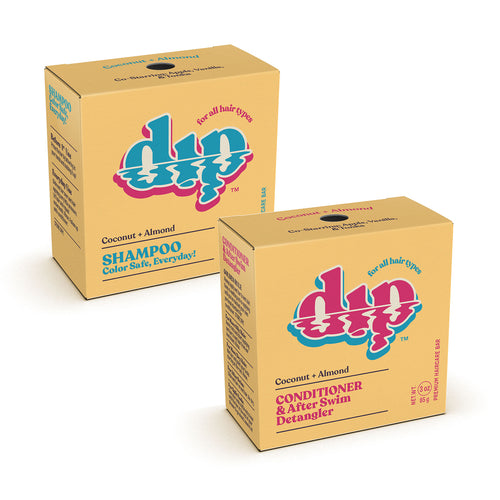
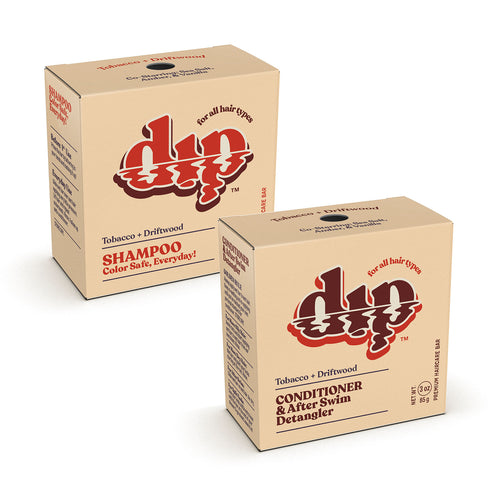
Let’s talk solutions, not just symptoms. When swimmers need real recovery, they reach for shampoo and conditioner for swimmers that can go the distance. Dip’s solid bars were made for people who swim every day, rinse constantly, and still expect their hair to look like it hasn’t just done laps.
Unlike traditional bottled products that rely on heavy surfactants or leave behind silicone residue, shampoo and conditioner for swimmers from Dip are formulated with clean, plant-based ingredients that clarify without stripping. The shampoo bar lathers instantly without friction, which makes it ideal for anyone with delicate curls, color-treated hair, or fine strands that hate tugging.
The conditioner bar doesn’t just soften, it detangles on contact. After-pool snarls? Gone. These bars are popular for a reason: swimmers can use them daily without worrying about dryness, buildup, or that squeaky-clean feeling that usually spells damage.
Some customers even use the conditioner bar as their only post-swim detangler, saving room in their gym bag and cutting down on rinse time. That’s the kind of performance swimmers need in a shampoo and conditioner for swimmers, strong enough to reset chlorine exposure, gentle enough to use after every single swim.
Midway through your post-swim routine, when your hair needs support the most, Dip delivers. It’s everything you want from shampoo and conditioner for swimmers, with none of the trade-offs.
How To Build The Best Hair Care Routine For Swimmers
Swimmers have unique hair needs, moisture retention, damage repair, and gentle cleansing all rolled into one. Creating a routine that actually works doesn’t require a cabinet full of products, just smart swaps and consistent steps. If you're serious about protecting your strands, start here:
Choose A Sulfate-Free Shampoo
Traditional shampoos often rely on sulfates to create foam, but those same ingredients can over-strip and irritate swimmer-exposed hair. A better option? Solid bars made without sulfates that clean without compromise. If you're swimming daily or several times a week, you'll want to wash regularly without causing further dryness. Look for hair products for swimmers that are pH balanced, color-safe, and designed for frequent use.
Use A Silicone-Free Conditioner
Conditioners that rely on silicones might make your hair feel smooth temporarily, but they can also lead to buildup, especially when you’re already dealing with chlorine and mineral deposits. The solution lies in hair products for swimmers that nourish with real slip, not coating agents. Conditioner bars with plant-based formulas offer detangling power without the need for synthetic layering.
Incorporate A Weekly Clarifying Rinse
Even with the right daily products, swimmers still need an occasional reset. A clarifying rinse once a week can help remove chlorine residue and restore natural softness. Just be sure you’re not using harsh clarifiers that undo all your progress. Stick to gentle resets that complement your regular hair products for swimmers, not compete with them.
The Best Hair Products For Swimmers, Period.
Swimmers don’t just need decent hair care, they need formulas that actually hold up against chlorine, salt, and sun. That’s why Dip built its bars to outperform the bottled stuff while ditching waste and filler ingredients. The bar format isn’t a compromise; it’s an upgrade designed to work harder and last longer for people who rinse and repeat every single day.
Inside the sustainable beauty community, Dip’s products have become a go-to for athletes, professionals, and families who demand performance without plastic. Instead of layering on temporary fixes, these bars tackle the root causes of damage and dryness. Whether your hair is fine, curly, color-treated, or all of the above, they deliver clean results you can feel on day one.
The best part? You don’t need to mix and match dozens of products to build your routine. Choosing the best hair products for swimmers means investing in tools that work across hair types, rinse clean, and save you money in the long run. It’s the kind of hair care that makes sense whether you’re poolside, dockside, or just done with cluttered shelves.
The best hair products for swimmers aren’t hiding in fancy packaging or overpromising results. They’re right here, doing the work with ingredients and formats that respect your time, your hair, and the planet.
Where To Find The Best Shampoo For Swimmers
You don’t need a massive beauty aisle or a subscription box to find the right product. The best shampoo for swimmers should be accessible, built for repeat use, and made by people who actually understand the damage swimmers deal with. Here’s what to look for and where to find it:
Skip The Bottles And Go Solid
Liquid shampoos often come with watered-down formulas, extra plastic, and ingredients that don’t hold up to daily swim sessions. A concentrated bar format offers a powerful clean without waste. The best shampoo for swimmers isn’t hiding in a bottle, it’s packed into a travel-friendly bar that lasts for months.
Buy From Brands That Know Swimmers
Mass-market products try to appeal to everyone. Dip makes bars that were tested and perfected by daily rinsers, surfers, triathletes, and pros who wash their hair multiple times a week. These aren’t repurposed face washes or scented novelties. They’re pH balanced and specifically engineered to reset hair after the pool. Choosing the best shampoo for swimmers means finding brands that build with swimmers in mind from the start.
Avoid Big Retailers For Specialty Care
Most stores aren’t equipped to stock advanced zero-waste care that actually performs under pressure. Small, mission-driven companies often make the best formulas because they’re not cutting corners for shelf life or mass appeal. That’s why you’ll find the best shampoo for swimmers directly from the source, not buried on a retail rack next to generic brands.
Sources:
- Cedirian, S., Prudkin, L., Santana, J. A., Piquero‑Casals, J., & Saceda‑Corralo, D. (2024). The exposome impact on hair health: non‑pharmacological management. Anais Brasileiros de Dermatologia, Advance online publication. https://doi.org/10.1016/j.abd.2024.08.006
- Castro, L. F. C., Bernardes, N., Oliveira, M. B., & Marçal, A. (2015). Effects of solar radiation on hair and photoprotection. Journal of Photochemistry and Photobiology B: Biology, 151, 139–148. https://doi.org/10.1016/j.jphotobiol.2015.06.004
- Sebetic, M., Petrov‑Hovnik, T., & Kmetec, V. (2019). Effects Of Ultraviolet Rays And Particulate Matter On Hair Porosity In An Urban Environment. Journal of Cosmetic Dermatology, 18(4), 1174–1182. https://doi.org/10.1111/jocd.16442