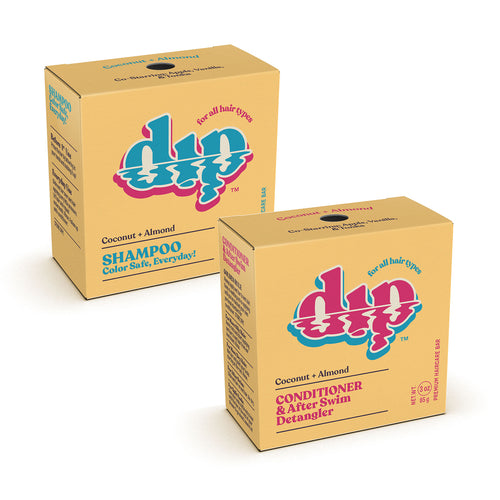
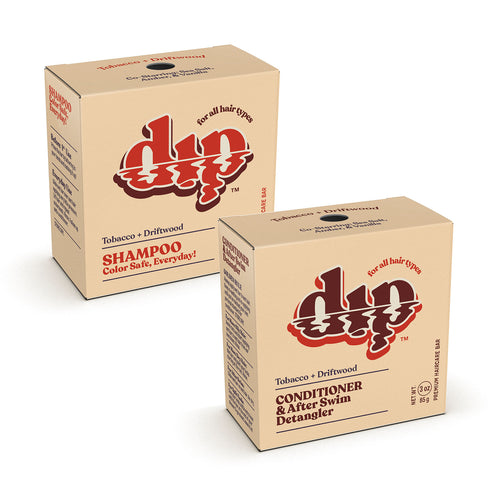
Before tossing a shampoo bar into your beach bag, it's worth asking what "reef safe" even means. The term isn't just skincare lingo that spilled over into haircare; it's about protecting coral reefs and marine life from specific ingredients commonly found in personal care products. Here's what makes the difference:
Understanding The Problem With Conventional Haircare
Traditional shampoos and conditioners often wash into the ocean, carrying with them silicones, parabens, sulfates, and other pollutants. These substances don’t just disappear. They can coat coral, disrupt aquatic hormone systems, or contribute to coral bleaching. The damage is measurable and happening in popular tourist areas worldwide.
Key Ingredients To Avoid In Marine Ecosystems
Certain chemicals, like oxybenzone or synthetic silicones, are known to persist in water and bioaccumulate. These ingredients aren’t biodegradable, and once they hit the ocean, they stay there. Products that rely on heavy surfactants or non-soluble polymers are particularly harmful to reef systems, especially in high-exposure areas like resort beaches and dive zones.
How Reef Safe Hair Products Protect Our Oceans
Reef safe hair products skip those disruptive ingredients and instead use alternatives that break down safely in water. But “reef safe” isn’t just about what's left out. It's about formulations that rinse clean, don’t linger in ecosystems, and still do their job. A good reef-safe product meets both human and environmental needs, without asking for compromise.
Reef Safe Hair Products That Actually Work
The phrase reef safe hair products might sound like a compromise if you’ve been burned by lackluster bars or watery formulas in the past. But performance and planet protection no longer live on opposite sides of the shampoo aisle. Dip created its collection with both in mind, making products that hold up to salt, chlorine, sweat, and daily washing without dumping toxic runoff into the ocean.
Most people start with a set of reef-safe shampoo and conditioner that actually gets the job done. Lather that doesn’t require scrubbing, conditioner that glides through post-swim tangles, and ingredients that don’t stick around in sensitive marine ecosystems. The best part is that this isn’t limited to one hair type. One bar set really can handle it all: thick curls, fine strands, and everything in between.
Instead of crowding your shower with mismatched bottles, Dip’s reef safe shampoo and conditioner bundles simplify the swap. And they last. Most customers find they replace bottles far less often, which means fewer plastics down the drain and fewer emergency drugstore runs when a cap breaks in your beach bag. If your personal care routine needs a refresh, there’s a reason why more people are making the switch to reef safe shampoo and conditioner that’s actually worth using.
How To Switch To Reef Safe Hair Products Without Sacrificing Performance
Switching to ocean-friendly haircare doesn’t have to feel like giving something up. The right reef-safe products work just as hard as your old lineup without the guilt. From lather to leave-in, here’s how to build a routine that respects your hair and the ocean:
Start With A Shampoo Bar That Lathers Without Friction
Forget the scrub-and-scratch routine. A quality reef-safe shampoo should activate with just a little water and minimal effort. Dip’s bar does exactly that, making it gentle enough for daily washers, yet powerful enough to remove chlorine, salt, and sweat. You’ll find that reef safe shampoo doesn’t have to sacrifice foam to be effective. Use it post-surf, post-swim, or after a long run, and you’ll still get that clean, non-stripped feel, without any plastic bottle guilt.
Upgrade Your Conditioner To One That Detangles And Lasts
The right conditioner does more than sit on the ends of your hair. A good reef-safe conditioner should glide through wet strands, detangle without tugging, and deliver moisture that sticks around long after rinse-off. Dip’s formula doubles as an after-swim detangler and lasts for most users nearly a year. When switching to a reef safe conditioner, look for one that’s not just gentle but genuinely high-performance, especially if you’re managing curls, tangles, or chlorine damage.
Don’t Forget The Oil: Lightweight Protection With Benefits
Oils often get skipped in zero-waste routines, but they shouldn’t. A lightweight reef-safe hair oil protects from UV exposure, salt, and environmental stress while leaving no greasy residue. Use it on ends, flyaways, or to freshen up post-gym. The reef safe hair oil from Dip comes in luxurious phthalate-free scents and soaks in fast, making it a favorite for both swimmers and city dwellers. Just a few drops do the work of a leave-in, styling cream, and frizz tamer, all in one.
Why Reef Safe Shampoo Bars Are Becoming The New Norm
Shampoo bars used to be the weird cousin of liquid haircare, squeaky, underwhelming, and hard to travel with. But that reputation is fading fast. The new wave of solid formulas, especially those that are reef safe, is gaining traction not because they’re trendy but because they work. Here’s why more people are making the switch:
Solid Format, Serious Results
Modern bars aren’t basic. A high-quality reef-safe shampoo bar creates rich, instant lather that rivals salon brands. It’s no longer a backup option for camping trips; it’s your everyday wash, minus the bottle. The reef safe shampoo bar from Dip lasts longer than most bottles and handles sweat, salt, and buildup like a pro. If you’ve written off bars in the past, this one will make you reconsider.
Minimalist Bathrooms, Maximal Impact
The move toward a reef-safe shampoo bar often starts with reducing plastic. But the side benefit is a tidier, clutter-free shower ledge. No leaky caps, no half-empty bottles taking up space. Just one bar that replaces three steps in your routine. It’s a practical shift that just happens to be great for the planet, too. Over time, this swap adds up to fewer purchases and less packaging waste.
Loved By Athletes, Surfers, And Families Alike
This isn’t just a beach-day trend. Daily washers, gym-goers, and entire families are adopting the reef-safe shampoo bar because it works across hair types and lifestyles. Whether you’re rinsing off post-surf or post-shift, the bar handles it all without needing a separate product for each person in the house. It’s designed to simplify, not sacrifice.
Where Dip Fits Into The Reef Safe Hair Movement
The phrase “reef safe” isn’t just stamped on Dip’s packaging for show. It’s baked into the brand’s mission from the start. Long before ocean-friendly haircare became buzzy, Dip was already formulating with marine ecosystems in mind. That’s why every bar, from shampoo to conditioner, is designed to rinse clean, avoid buildup, and break down safely in water without coating coral or entering the food chain.
The most popular product in the lineup? A reef-safe hair conditioner that outperforms luxury bottled formulas and lasts for most users nearly a year. It works across curl patterns, manages knots without tugging, and even doubles as a detangler for swimmers and kids. Whether you’re beach-bound or just looking to upgrade your wash-day routine, this one product can replace multiple others.
Many sustainable brands get close to the goal but fall short on performance. Dip delivers both. The reef safe hair conditioner doesn’t just meet the bar for reef safety, it raises it. It’s trusted by professionals, used by parents, and loved by anyone who’s tired of compromising between their values and their hair goals. Reef safe hair conditioner is no longer a niche option. With Dip, it’s the standard.
How To Tell If A Brand Is Really Reef Safe
Not every product with a beachy label or an oceanic scent is doing the ocean any favors. “Reef safe” isn’t a regulated term, which means some brands slap it on packaging with little to back it up. Here's how to read between the lines:
Scan The Label For More Than Just Buzzwords
If the packaging only says reef safe without listing what makes it so, that’s your first red flag. Look for products that are free of common marine pollutants like sulfates, silicones, and persistent preservatives. A transparent ingredient list says more than a pretty design ever could.
Understand The Role Of Fragrance Transparency
Some brands claim safety but hide synthetic ingredients behind the word “fragrance.” Others, like Dip, use high-end synthetic scents that meet strict clean standards, including being phthalate free and Credo-compliant.
Look For Independent Endorsements And Certifications
If a product is truly reef safe, it often comes with outside validation. Look for endorsements from marine conservation groups or sustainability partnerships. Dip, for example, has donated to Surfrider and formulates without ingredients linked to 1,4 dioxane, which many “green” brands still allow.
Sources:
- Oyehan, O. T., & Tawfik, A. S. (2021). Environmental Risks And Toxicity Of Surfactants: Overview Of Analysis And Remediation Methods. Environmental Science and Pollution Research, 28(15), 18604–18624. https://doi.org/10.1007/s11356-021-16483-w
- Florent, Y., Nemoto, M., Rowley, A., Villegas, M. I., & Pratt, V. (2024). Dangers Of Oxybenzone In Sunscreens On Coral Reefs: Proposed Policy Approaches. Journal of Science Policy & Governance, 24(01). https://doi.org/10.38126/JSPG240106
- Oikonomou, E. K., & Berret, J.-F. (2021). Advanced Eco‑Friendly Formulations Of Guar Biopolymer-Based Textile Conditioners. arXiv [Preprint]. https://doi.org/10.48550/arXiv.2110.03216