When you’ve dyed your hair, the last thing you want is for your shampoo bar to turn into a color-stripper in disguise. A bar that’s safe for color treated hair should work with the science of your strands, not against it. That’s why we’re serious about formulating our shampoo bars for color treated hair to protect color, not strip it. Here’s what actually matters:
Understanding The Role Of Sulfates And Silicones
Sulfates are great at cutting grease, but they also cut color, fast. A shampoo bar for color treated hair that skips sulfates keeps your hue intact longer. Silicones, on the other hand, build up and suffocate strands, making dye fade unevenly. Choosing a bar free from both avoids unnecessary damage to fresh color.
How pH Balance Affects Hair Color Longevity
The pH level of your shampoo determines how open or closed your hair cuticle stays. An open cuticle equals quick color fade. That’s why the best shampoo bar for color treated hair is one that’s pH balanced. It keeps the cuticle smooth and sealed, locking in vibrancy between salon visits.
Why Lather Quality Matters For Dyed Hair
If your bar requires scrubbing or friction to lather, you're causing unnecessary mechanical damage, especially on porous, dyed strands. A high-performance shampoo bar for color treated hair creates suds instantly, minimizing breakage. That’s key to maintaining soft, shiny color without compromising on cleanliness.
The Science Of Color Treated Hair Care
Coloring your hair doesn’t just change the shade; it alters the hair’s structure. During the coloring process, the cuticle layer is lifted so pigment can enter the cortex. Once the cuticle is raised, it doesn’t fully return to its original tight seal. That’s what makes color treated hair more porous, prone to fading, and vulnerable to damage.
A gentle approach to cleansing and conditioning becomes non-negotiable. Instead of harsh detergents or waxy build-up, lightweight formulas that rinse clean are key to maintaining vibrant tones. Dip’s approach avoids ingredients known to disrupt delicate color bonds. This includes formulating bar shampoo for color treated hair with ultra-mild cleansers that still deliver rich lather.
And it’s not just about the shampoo. Using compatible conditioner bars helps create a closed system that replenishes moisture and smooths the lifted cuticle. The result? Less color washout and fewer bad hair days between salon visits.
How To Transition To A Shampoo Bar Without Losing Color
Switching to a shampoo bar for color treated hair doesn’t have to mean sacrificing vibrancy or starting from scratch. But if your strands have been through years of bottle build-up, waxy coatings, or sulfates, it’s worth easing into the switch with intention. Here’s how to do it right:
Ease Into It With A Clarifying Detox
Before switching, a clarifying wash can help remove residue from silicones and heavy conditioners that coat the hair. This allows your new shampoo bar for color treated hair to perform as intended. It creates a clean baseline so the formula can nourish, not compete with leftovers from past products.
Match With The Right Conditioner Bar
A shampoo bar works best as part of a system. Pairing it with Dip’s shampoo bars and complementary conditioners keeps moisture levels consistent. This combo supports color retention by protecting the cuticle from opening and fading between washes.
Watch Water Quality And Application Technique
Hard water can interfere with how any bar works and might make hair feel coated or look dull. Try rinsing with filtered water or apple cider vinegar once a week to balance the effects. And don’t rub the bar directly on your scalp, lather in your hands first, then apply. Less friction means less color fade.
Explore Dip’s Best Shampoo Bars For Color Treated Hair
If you’re looking to keep your color vibrant without plastic cluttering your shower, these bars belong in your routine. These picks are formulated to support color treated hair without weighing it down or stripping dye molecules prematurely.
- Coconut Almond – Warm, Sweet, And Silky
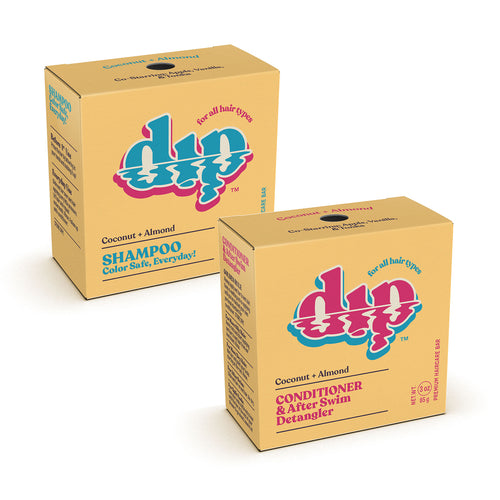
A lush, toasted scent that gives gentle island-vacation energy without the sunscreen smell. This formula was designed with color-safe performance in mind and has quickly become a customer favorite. It’s the best bar shampoo for color treated hair if you’re looking for clean ingredients with zero compromise. - Fragrance Free – Pure And Simple
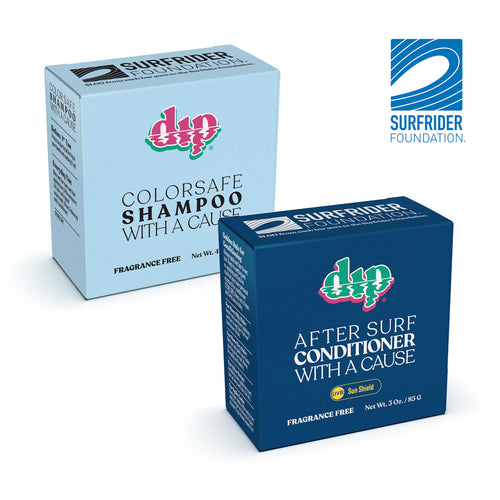
No added scent, no distractions. Just a perfectly balanced bar that works for even the most reactive scalps or sensitive noses. It performs with the same salon-level cleansing power, minus any fragrance concerns. - Ginger Snap – Bright, Clean, And Spicy
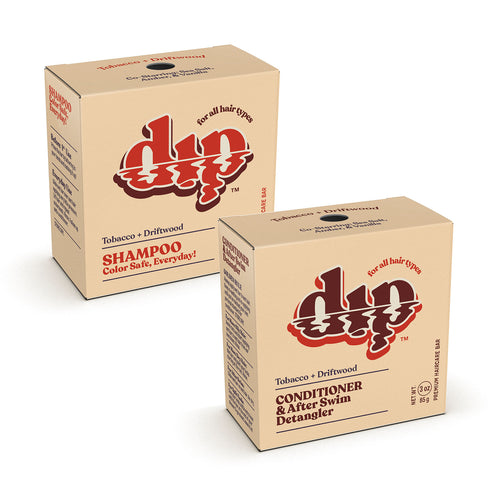
Zesty and uplifting, this one brings a warm kick to your routine. Especially great for cooler months, it gently clarifies without ever stripping color or leaving your strands feeling parched. - Unscented Dip Mini – TSA Ready And Travel Smart
The same pH-balanced formula in a palm-sized version that fits in your carry-on or gym bag. If you travel often or just want to test the bar life, this one keeps your color on point with minimal weight and waste.
These bars don’t just support your color, they support your goals. Long-lasting, low-waste, and genuinely fun to use, they’re proof that going plastic-free doesn’t mean giving up good hair days.
Why Bar Shampoo For Color Treated Hair Works Better Than Bottles
Bottled shampoos often rely on diluted ingredients and stabilizers that don’t serve your strands. Bar formats leave out the water and fillers, giving you a concentrated formula that actually performs. Here’s why that shift matters for maintaining color:
Formulated To Skip Harsh Preservatives And Fillers
Most bottled shampoos contain preservatives, plasticizers, or unnecessary thickeners that can irritate your scalp or strip color from your hair. A high-quality shampoo bar soap for color treated hair skips all of that. It’s cleaner in formulation, easier on your color, and doesn't leave behind buildup that dulls shine.
Delivers Concentrated Nourishment Without Dilution
Because bar shampoo isn’t watered down, every swipe delivers real ingredients at active strength. This is especially useful for color treated hair, which needs nourishment in every wash. The best shampoo bar for color treated hair gives your strands targeted care without asking you to use half a palmful every time.
Eco Meets Efficacy In One Tiny Bar
The small format doesn’t mean small results. A well-formulated bar shampoo for color treated hair cleans deeply while being gentle on the cuticle. It's powerful enough to remove sweat and oils, but respectful of your dye job. That’s the kind of daily-use formula a bottle just can’t deliver.
Where Most Shampoo Bars Fail Color Treated Hair
Not all shampoo bars are created with color treated hair in mind. Many miss the mark with aggressive cleansing agents, poor ingredient quality, or simply being too harsh for chemically processed strands. Here’s where other bars often go wrong:
Poor Lather Or Film Buildup Leaves Hair Dull
Some bars barely lather unless you scrub aggressively, which is rough on already delicate strands. Others coat the hair in waxy residue that dulls color and clogs the cuticle. A high-quality shampoo bar soap for color treated hair should rinse clean and lather effortlessly without friction or buildup.
Wrong pH Can Strip Color Faster
Hair’s ideal pH sits around 4.5 to 5.5, but many bars lean alkaline, which pries open the hair shaft and flushes out color molecules. That’s why the best shampoo bar for color treated hair is pH-balanced. It preserves your tone and texture from root to end with every wash.
Fragrance And Additives Are Often A Red Flag
Many bars use heavy fragrance blends or natural oils that can trigger irritation or dry out the scalp. A better option is a bar shampoo for color treated hair that uses phthalate-free fragrance or offers unscented versions. Clean doesn’t have to mean scent-free, but it should mean irritation-free.
Switch To Bars: Shop Dip’s Color Safe Routine
Color treated hair deserves better than watered-down bottles and harsh detergents. Dip’s bars are pH-balanced, sulfate-free, and designed to protect your tone through every rinse. Each formula was made with real-world performance in mind, whether you wash every day or stretch it out all week. These bars deliver clean without compromise.
The best part? No plastic. No waste. Just salon-quality results with less clutter in your shower and less guilt in your routine. From rich lathers that don't fade your color to conditioner bars that double as detanglers, Dip’s lineup is made to meet your hair where it's at, and help it look even better.
Sources:
- Gavazzoni Dias, M. F. R., de Almeida, A. M., Rezende Cecato, P. M., Adriano, A. R., & Pichler, J. (2014). The Shampoo pH can affect the hair: Myth or reality? International Journal of Trichology, 6(3), 95–99. https://doi.org/10.4103/0974-7753.139078
- Sayeed, S. Y., & Goyal, A. (2025). Eco‑friendly biosurfactants in shampoo: Green chemistry innovations for sustainable personal care. Journal of Dental and Science Technology, 100105. https://doi.org/10.1016/j.jdsct.2025.100105
- Vincent, U., Bordin, G., & Rodriguez, A. R. (2002). Optimization and validation of an analytical procedure for the determination of oxidative hair dyes in commercial cosmetic formulations. Journal of Cosmetic Science, 53, 101–119. https://doi.org/10.1111/ics.12439
- França, A., Hehner, M., & Indrawati, R. (2022). Effect of surfactant type on the dyeability and color resistance of hair treated with semi‑permanent dye. Fashion and Textiles, 9, 26. https://doi.org/10.1186/s40691-022-00326-4