Silicones might make your hair feel like a freshly waxed surfboard, but that slick sensation is a disguise. What you're actually feeling is product buildup, residue that coats the strands, rather than nourishing them. That coating temporarily masks issues like dryness or frizz, but over time, it prevents moisture and nutrients from getting in. Switching to silicone-free hair products means removing that film and letting your hair do its thing, breathe, absorb, and thrive, without synthetic interference:
The Role Of Silicone In Traditional Haircare
Traditional shampoos often rely on silicone to simulate softness, creating the illusion of healthy hair. In reality, it's just a slippery barrier sitting on top of buildup and stress. When you trade that for a silicone free shampoo, you’re making room for real scalp contact and a gentler, more effective cleanse. Removing the artificial coating also helps reduce the dependency cycle, where your hair feels dry without silicones, leading you to reapply them again and again.
How Silicone Can Build Up Over Time
Unlike water-soluble ingredients, silicones cling to the hair shaft like that one ex who “just wants to talk.” Even with regular washing, these ingredients don't fully rinse away, especially in low-poo or no-poo routines. The result? Dullness, weighed-down roots, and ends that feel smooth but are secretly brittle. Going with silicone-free hair products breaks that cycle, helping your hair reset its natural balance over time.
Why “Silicone Free” Doesn’t Mean Low Performance
There’s a myth that “free from” always means “less than.” That may be true for decaf coffee, but not for modern haircare. Today’s silicone-free shampoo formulas deliver salon-level results without ghosting your scalp health. They lather without harsh friction, cleanse without stripping, and leave no heavy residue behind. Whether you’re chasing volume, moisture, or definition, removing silicone from the equation often brings your real texture to the front of the stage.
Explore Dip’s Best Silicone Free Hair Products
If you're over heavy rinse cycles, cluttered shower shelves, and bottles that never quite do what they promise, it's probably time to clean house, literally. Dip’s lineup of silicone-free hair products was built for people who actually use their hair. Whether you surf, swim, run, or just need something that works every day without fuss, this list breaks down our favorites and why they belong in your routine:
- Our silicone-free conditioner is famous for detangling like a dream without greasiness. It’s one bar that can replace up to 12 tubes of product, whether you’re dealing with post-pool knots, curly tangles, or fine strands that need slip without weight.
- For lightweight shine without buildup, the silicone free hair oil is a multitasker that softens ends, seals moisture, and absorbs fast. No greasy palms, no hair weighed down, just a dry-touch finish that works across curl types.
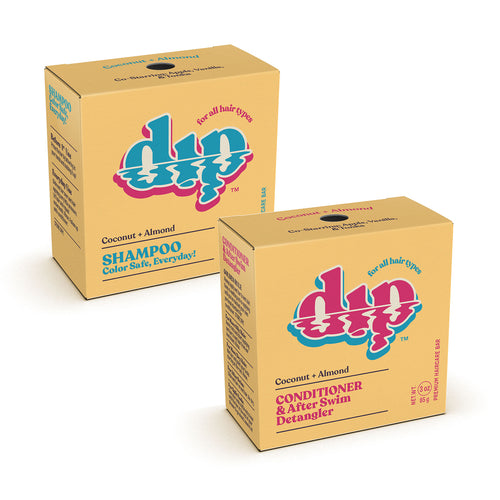
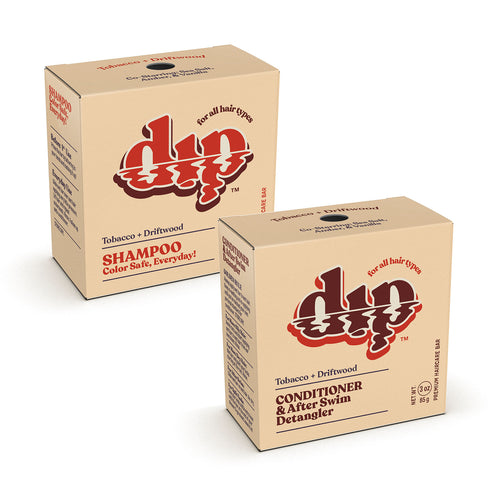
- If you’re ready to commit to a full routine, the silicone-free shampoo and conditioner bundle gives you the complete reset. It’s the no-plastic, all-performance set that lasts longer, travels better, and shows up for your hair type day after day.
Dip’s bars aren’t here to pretend to be “eco.” They just are. Every item in this lineup reduces waste, boosts results, and keeps your shower from looking like a bottle graveyard.
Why Choose A Silicone Free Shampoo And Conditioner?
Choosing a silicone-free hair routine isn’t just about what you’re avoiding, it’s about what you’re finally letting in. Removing that artificial coating clears the way for better results, real moisture, and healthier hair habits. If your current wash day feels like a temporary fix, here's why a clean formula can become your long-term staple:
Better For Scalp And Hair Health
Silicone builds up like residue on your kitchen tile, eventually, it clogs things up. On your scalp, that means blocked follicles, irritation, and disrupted natural oil flow. Without it, your scalp can breathe, regulate, and do what it’s supposed to do. Hair feels cleaner, longer, and needs less product in between washes.
Safer For Color And Chemical Treatments
Color-treated and chemically processed hair tends to be more porous. Silicones latch onto these weak spots, making buildup even harder to remove. Switching to a silicone free shampoo and conditioner combo means fewer barriers between your strands and the moisture they’re desperately craving. The result? Longer-lasting color, less breakage, and better absorption of the good stuff.
Improves Long-Term Manageability
Hair that’s free from buildup behaves better, it detangles easier, styles faster, and responds to hydration the way it should. Once you’re out of the silicone cycle, you may even notice your texture improving. With time, your strands become softer and more responsive without needing extra layers of product.
How To Transition To Silicone Free Haircare Successfully
Going silicone-free isn’t a magical overnight fix; it’s a reset. Your hair and scalp have probably been coated in residue for years, so the first few weeks of switching might feel different. That’s normal. With the right prep, a realistic mindset, and the right tools, your hair will thank you. Here’s how to get started:
Clarifying And Detoxing First
Before going all in, give your hair a deep cleanse to remove leftover buildup. A clarifying wash helps reset the canvas so your new routine can actually penetrate the strands. If your current product doesn’t lather much, don’t panic; that’s often a sign your hair was coated with product, not that your cleanser is weak.
Adjusting Your Wash Routine
Without silicones doing the fake-smooth act, your hair’s true texture may show up immediately. Some people need to wash less, others find they need a few extra days to rebalance. Stick with it. Experiment with how often you cleanse, how much water you use, and how long you let your conditioner soak in.
Understanding The “Purge” Period
Your hair might go through a few weird weeks, feeling rougher, tangling more, or just looking dull. This is part of the transition. Stay consistent, especially with a silicone free conditioner that helps reintroduce moisture without creating another layer of buildup. Once your strands adjust, they’ll feel softer, cleaner, and more like, well, your hair.
The Best Silicone Free Conditioner For Everyday Use
Not all conditioners are built for real life. Some coat your strands in slick residue, others disappear before you’ve even rinsed. The Dip conditioner bar wasn’t designed to be trendy; it was designed to perform. Daily. In and out of the ocean. After long runs. After chlorine, sweat, salt, and all the grit life throws at your hair.
What sets it apart is more than what’s left out; it’s how much work it replaces. One bar handles post-swim detangling, co-washing, curl refreshing, and ends that just need a little TLC. It glides on instantly without needing to be warmed up or melted between your hands. And unlike thick bottled creams that sit on top of hair, it absorbs, smooths, and softens without buildup. It’s built to last. Most customers go six to twelve months before needing a new one. That’s not a stat, it’s a relief. Fewer purchases, fewer bottles, and fewer disappointing wash days. Just something that works and keeps working.
Where To Find Truly Clean, Silicone Free Hair Oils
Hair oils are having a moment, but most of them rely on silicones to fake the shine. That slick finish might feel good at first, but it doesn’t actually hydrate or protect. Clean, silicone-free options are harder to find, but worth the search. The difference is in how your hair absorbs them, not just how it looks after application:
How Hair Oils Help Seal In Moisture
Oils aren’t meant to replace hydration; they’re supposed to help lock it in. On damp hair, they act like a seal, keeping water and conditioning agents from evaporating too quickly. They also reduce frizz, add softness, and help manage definition on curls and coils. When used properly, a lightweight oil can be the final step your routine was missing.
The Silicone-Free Difference In Oils
Most drugstore hair oils are just silicone blends with a drop of actual plant oil buried in the ingredients list. With a silicone free hair oil, what you see is what your hair gets. There’s no artificial film sitting on your strands, just absorbable moisture and a dry-touch finish that doesn’t weigh anything down. The result feels less like a product and more like actual care.
Key Ingredients That Actually Work
The best clean hair oils skip the filler and go straight for plant-powered formulas. Look for ingredients like squalane, argan, baobab, or jojoba, which mimic your scalp’s natural oils and absorb quickly. These oils bring softness and slip without turning your hair flat or sticky. A little goes a long way when the formula is designed to work, not mask.
Make The Switch With Dip’s Plastic-Free Haircare
If your bathroom shelf is stacked with half-used bottles and trial-sized letdowns, you’re not alone. The shift toward cleaner, simpler haircare doesn’t mean giving things up; it means choosing products that actually work and stick around long enough to prove it.
Dip’s shampoo and conditioner bars are long-lasting, pH-balanced, and compatible with all hair types. They’re made to lather without friction, detangle without dragging, and travel without leaking. Whether you wash daily or weekly, swim or sweat, run marathons or manage toddler curls, Dip meets you where you’re at. And when the products last longer, you buy less. When they’re plastic-free, your footprint shrinks. When they’re built for real life, you don’t need five backups. It’s not just about hair, it’s about finally finding a routine that makes sense.
Sources:
- Carvalho, R. de M., et al. (2025). With or without Silicones? A Comprehensive Review of Their Role in Hair Care. Skin Appendage Disorders, 11(6), 586–599. https://doi.org/10.1159/000546651
- Fernández‑Peña, L., et al. (2024). Effect of Molecular Structure of Eco‑Friendly Glycolipid Biosurfactants on the Adsorption of Hair-Care Conditioning Polymers. arXiv. https://arxiv.org/abs/2401.14892
- Gupta, S., et al. (2023). Penetration of Vegetable Oils into Textured Hair Fibers: Effects on Hair Structure and Mechanical Properties. Cosmetics, 11(6), 212. https://doi.org/10.3390/cosmetics11060212